
 By admin
Most people think of large acreage when they think about permaculture, but its principles can be just as successful in small home landscapes. Brandy Hall, permaculturalist and owner of landscaping company Shades of Green, works closely with clients to improve their landscapes while promoting a restorative way of life through permaculture practices.

With a focus on capturing water, improving soil, and including plants that bolster the ecology and health of those who foster them, Brandy makes long-lasting positive changes in her community. She and her crew collaborate with clients to develop staged plans that reduce erosion, sequester carbon, and make spaces more enjoyable.
Every landscape is different, but the basic principles stand. They’re woven into a larger systemic view of the land and how we live on it. How we work it, too. Farmers and homeowners who haven’t made the jump can gradually introduce these regenerative practices one by one and note the difference.
Join me as I talk about embracing permaculture with Brandy Hall.
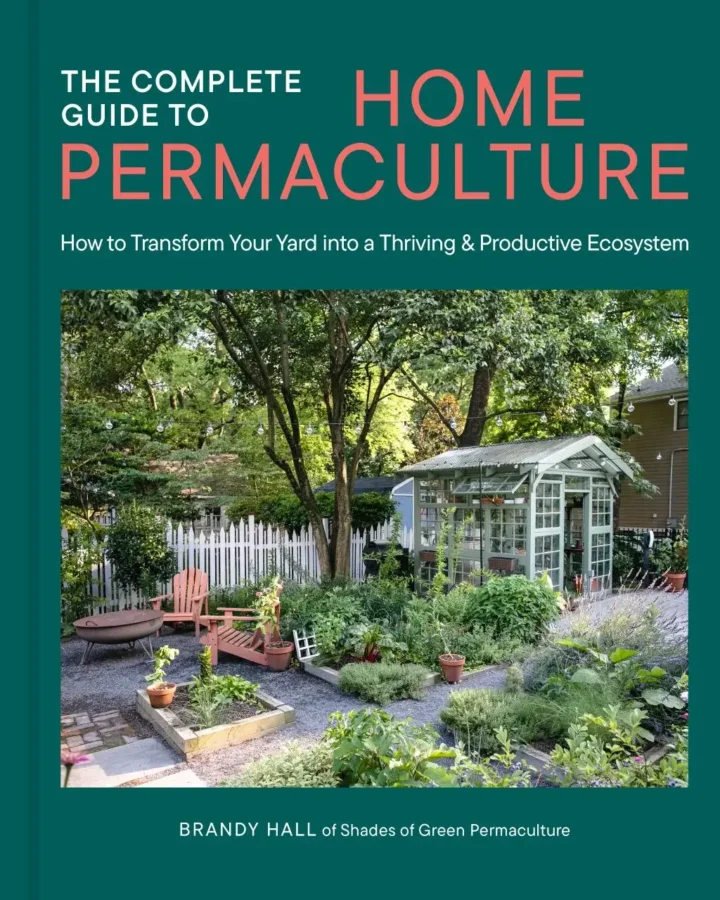
First, I’d love to thank you for your book, The Complete Guide to Home Permaculture, which helped me think differently about my landscape. I also wanted to touch on your origin story from the introduction. The effects of herbicides on you and your family are a powerful example of how the industrial agricultural system can be detrimental to human health.
Thank you so much for your thoughtful questions and for spending time with The Complete Guide to Home Permaculture. It means a lot to know the work is resonating across different scales of land stewardship.
Permaculture in Varied Landscapes
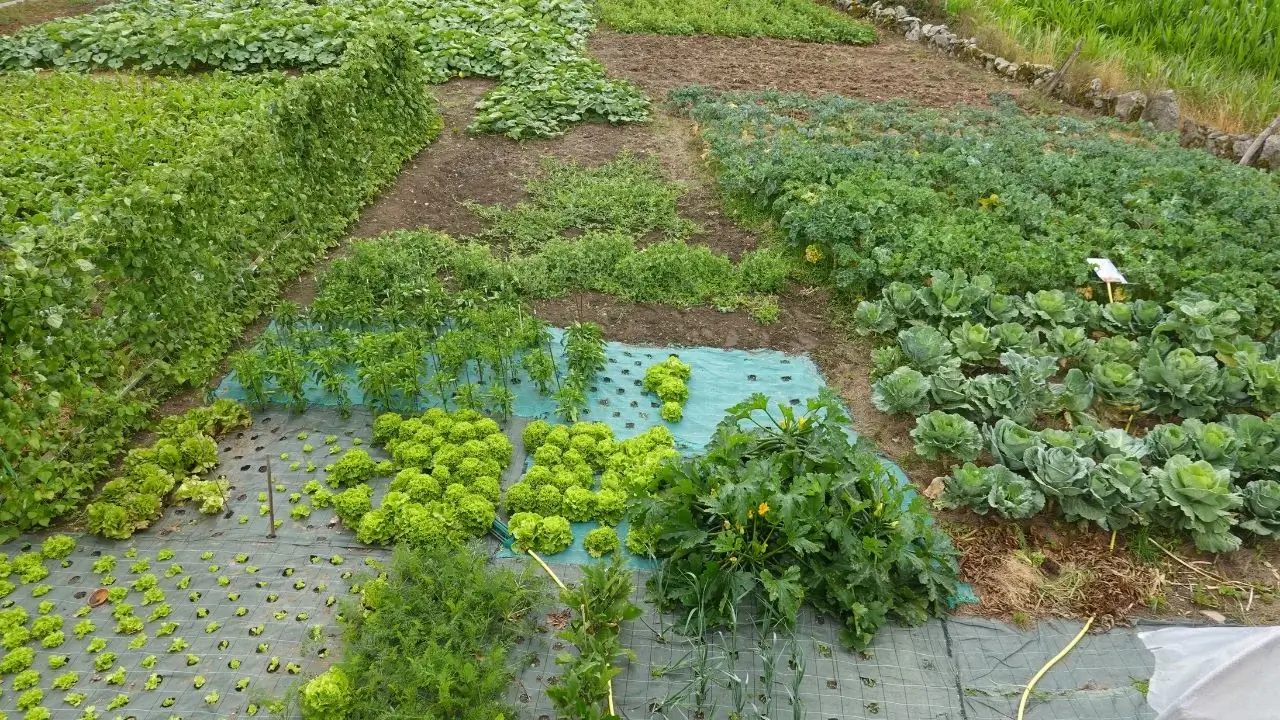
Our readers are a good mix of well-informed growers from all over the map. Some come from the longer-standing tradition of American farming, while others may be small-scale market farmers and home gardeners. I’m wondering if you could speak to these varied experiences. How can farms practically incorporate permaculture principles on their land? What does a regenerative farm look like from a permaculture perspective?
At its core, permaculture is about relationships, about understanding how water, soil, plants, animals, and people interact, and then designing systems that support those relationships rather than work against them. For farms, that doesn’t have to mean a complete overhaul. It often starts with observation and small shifts. Where is water moving across the land, and how can we slow it, spread it, and sink it? How can we keep soil covered year-round? Where can we replace inputs with biological processes?
A regenerative farm, through a permaculture lens, is one that is building life rather than extracting from it. You’ll see diversity like polycultures instead of monocrops, integration of animals where appropriate, and an emphasis on perennial systems. You’ll see soil that is alive! It’s dark, structured, and full of life. You’ll see less reliance on external inputs because the system is doing more of the work itself. It’s not about perfection, but rather, building resilience into the system, season by season.
Building Resilience in the Face of External Influences
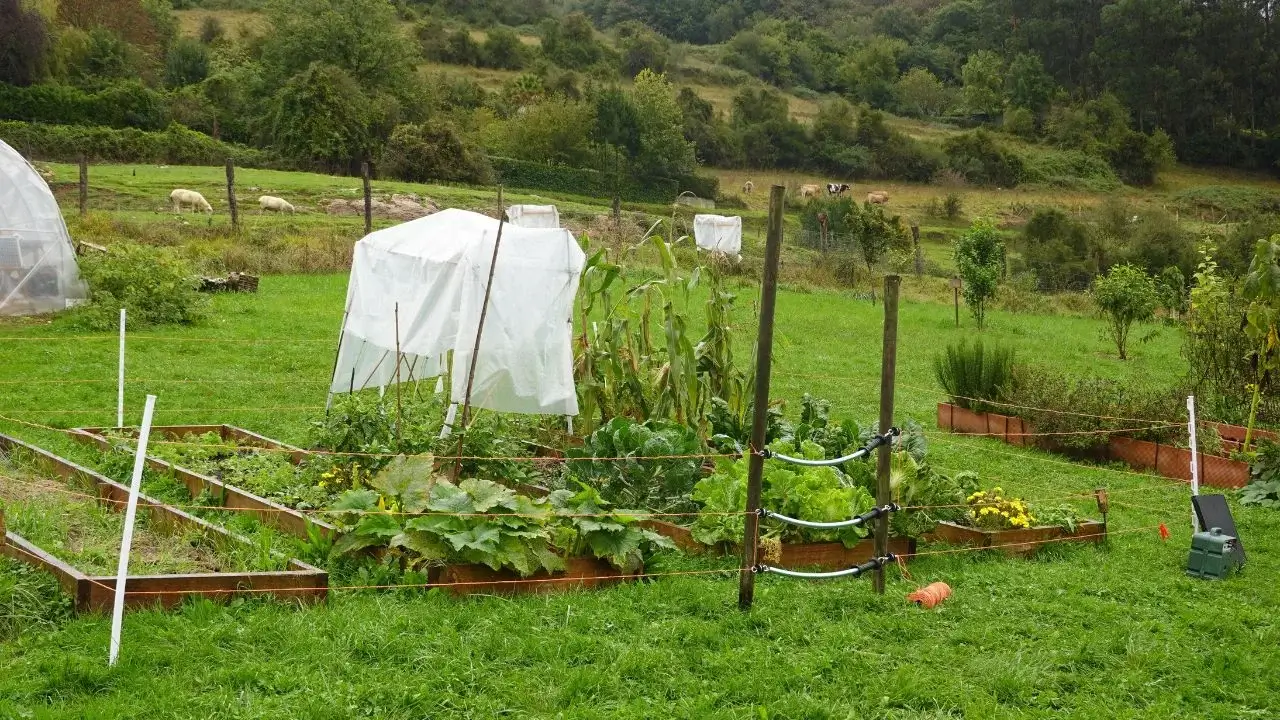
Similar to your compelling origin story, people who grow on acres of land may be situated within or bordering large-scale farms. How can these farmers use permaculture principles to offset the negative effects of industrial-scale farming? While there are some things they can’t change, are there permaculture principles they could implement that would limit that influence?
This is a very real challenge, and one we’ve seen firsthand through our work at Shades of Green Permaculture. While you can’t control what happens beyond your property line, you can design your land to be more resilient to those external pressures. Buffering is a big one. Hedgerows, windbreaks, and densely planted edges can help reduce chemical drift, provide habitat for beneficial insects, and create a physical and ecological boundary. These edges are often underutilized, but they can do a tremendous amount of work.
Water management is another key strategy that comes to mind. Contaminants often move with water, so slowing and infiltrating water on your land can help reduce what’s coming in from elsewhere while also improving your own soil health. Building soil is perhaps the most powerful tool, though. Healthy, biologically active soil has a greater capacity to buffer toxins and support plant resilience. Practices like composting, cover cropping, and reduced tillage all contribute to that.
There’s also something less tangible but equally important. Exampling and creating a different model. When neighbors begin to see land that is productive, resilient, and not reliant on heavy chemical inputs, it can shift perspectives over time. Lead by example.
Critical Components
As you’re developing plans for each client, are there common, but more subtle basics they tend to miss? Perhaps particular trends you notice, which, when reoriented, make a huge difference for them?
Yes, often. One of the biggest we see is water, which varies depending on climate of course. Generally speaking, people tend to focus on plants first, but water is the driver of everything. In the Southeast, we see a cycle of periods of drought followed by periods of heavy rain. People tend to treat water as a nuisance, sending it away, but then using city water and wells during periods of drought. Instead, if we can observe and understand how water is moving across a site, we can make decisions about how to slow it down, spread it, and sink it into the ground. This supports everything, including where, how, and what to plant.
Another is soil coverage. Bare soil is incredibly vulnerable, and yet it’s still very common. Whether it’s mulch, cover crops, or living ground covers, keeping soil protected is foundational. Building up the soil’s capacity to hold water through increasing organic matter builds the sponge layer, and helps reduce the need for irrigation.
And then there’s scale. People often think in terms of individual plants or beds, rather than systems. A small shift, like planting in guilds, or thinking about how one element supports another, can completely change outcomes.
Teaching the Next Generation
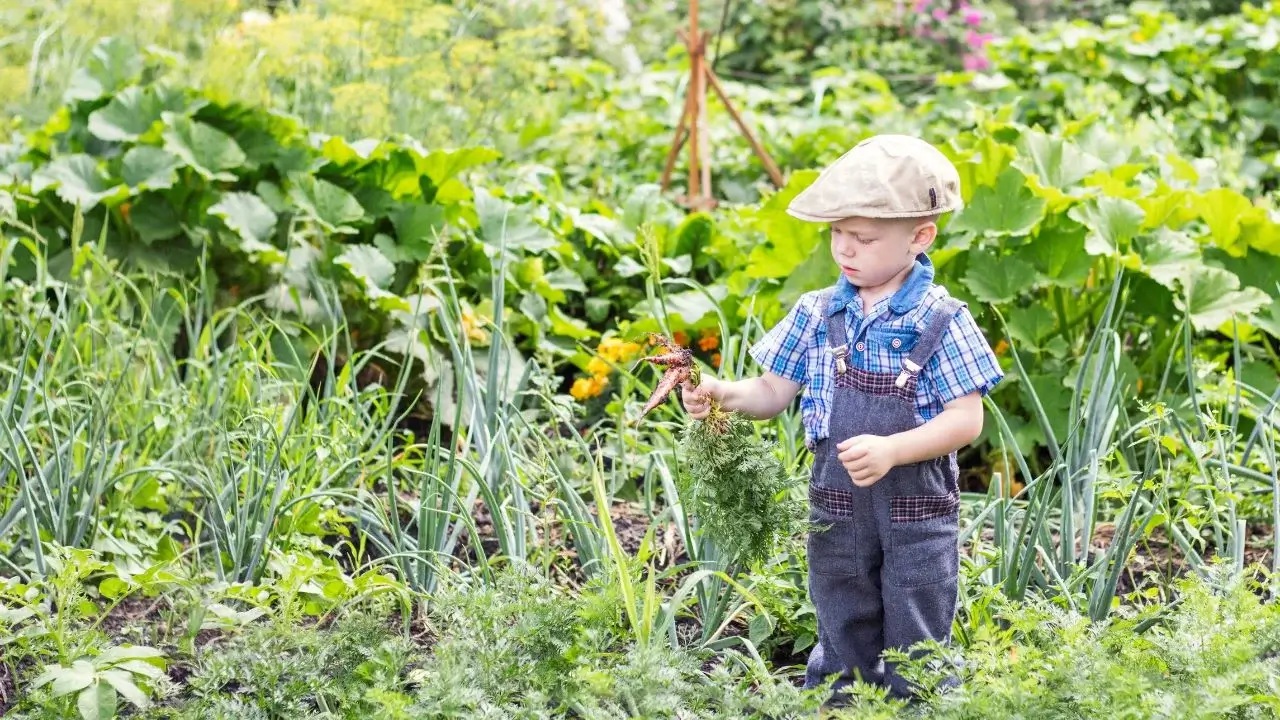
There is a growing trend toward more regenerative practices in farming and ranching, thankfully. More and more, it seems paramount to consider the younger generation as we work within an ever-changing climate (socially and ecologically). In your opinion, how and what can farmers teach the next generation about regenerative landscapes?
I love this question. I think the most important thing we can teach is how to observe and respond, rather than control. We’ve inherited a model that often prioritizes short-term yield over long-term health… in all aspects of our lives. Regenerative work asks us to take a longer view. It asks us to understand that we are part of a living system, not separate from it.
That means teaching the next generation how to read the land and notice changes in soil, in water, in plant health. How to ask better questions. How to work with natural patterns instead of against them.
It also means modeling care. Not just for the land, but for ourselves and our communities. Regenerative landscapes are not just ecological, they’re cultural. They require collaboration, humility, and a willingness to keep learning. If we can pass that on, along with practical tools and techniques, we’re setting the next generation up to sustain the land and to restore it.
How to Conserve Water on Small-Scale Farms: 7 Tips for Success
Water conservation has become a primary concern for farmlands as availability declines. Here are 7 ways to conserve water on your small-scale farm.
The post Home Permaculture: A Conversation with Brandy Hall appeared first on Modern Farmer.