
 By admin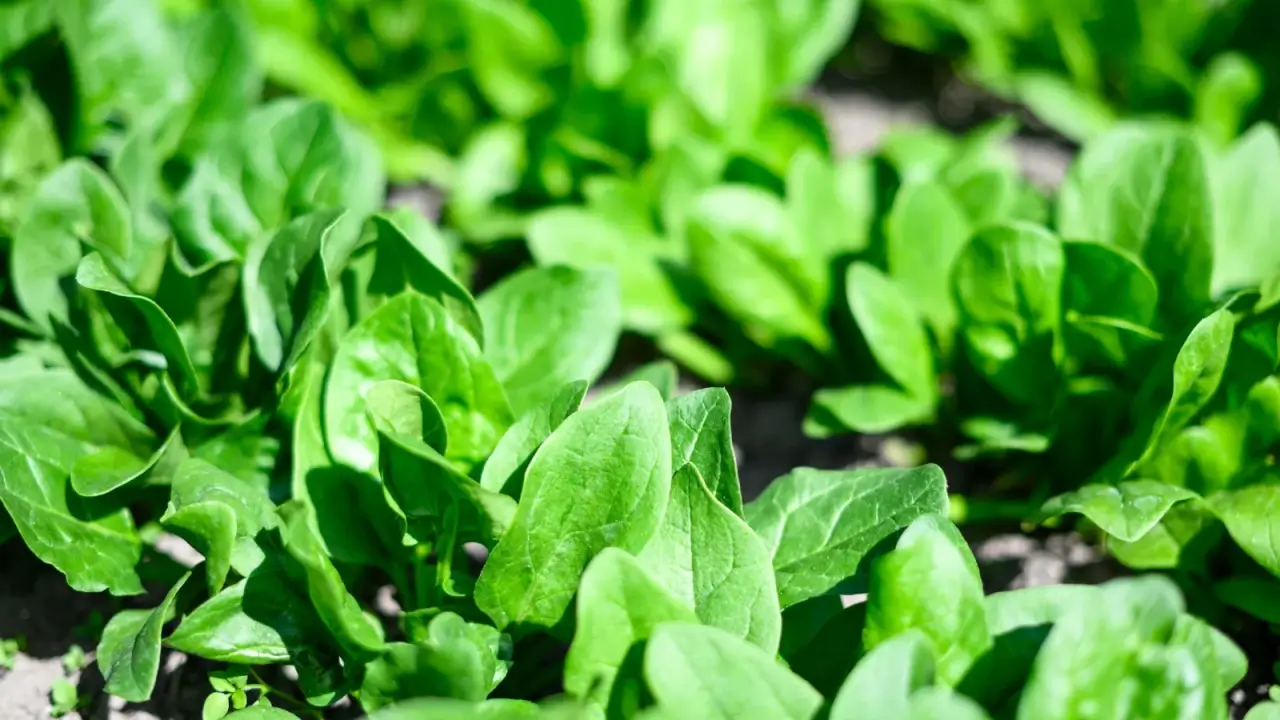
One of the tasks you can complete before spring is planting cover crops. February is a perfect time to broadcast some seeds and coat the ground with plants that benefit the soil in the long run. The crops you choose should be suited to your climate. You can supplement your fields with low tunnels to add extra warmth and protection if it’s still cold.
Cover crops feed the soil, supporting microorganisms that keep soils healthy. They sequester carbon and protect soil from exposure that causes erosion. This funnels directly into preserving precious groundwater, and all of these things funnel into economic benefits for farms that plant them.
Grow These 5 Cover Crops in February
Each of these has its own benefits to the land, and most offer yields along with soil-building capacity. Consider them as you plan your spring garden. Planting spring crops after these boosts subsequent yields.
Spinach
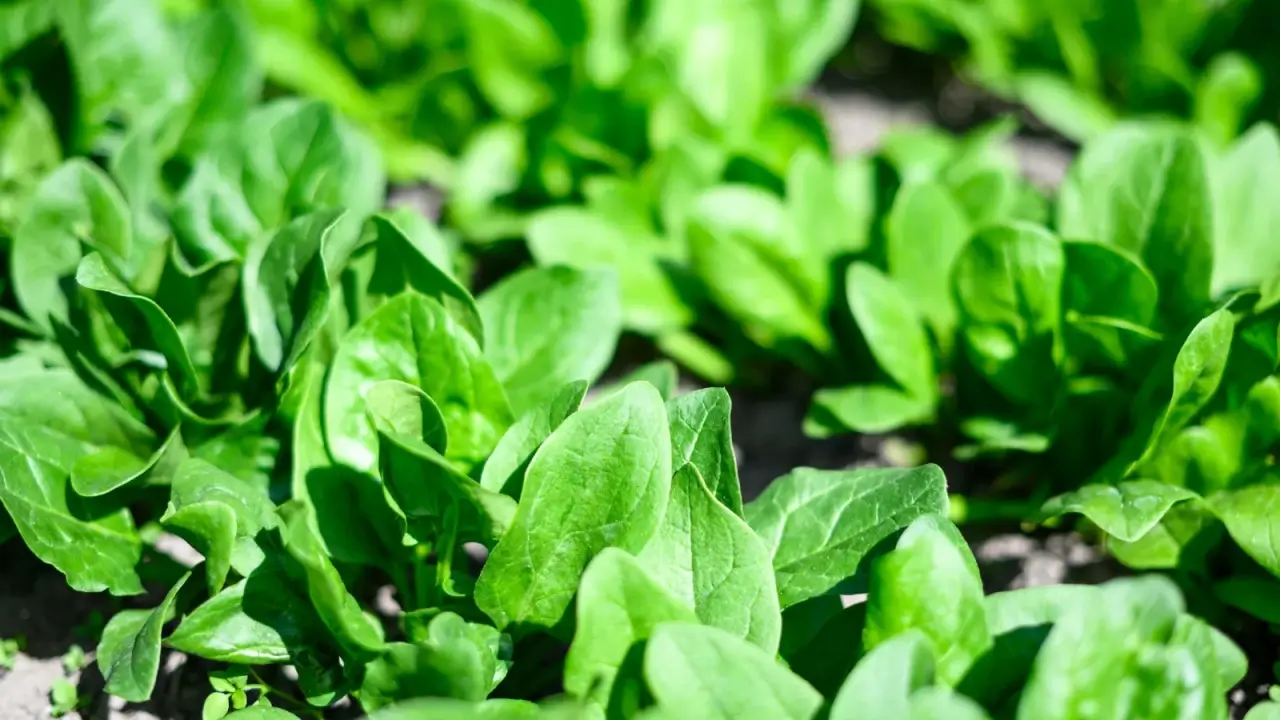
While it’s still cold, spinach is a great cover crop. Sow spinach seeds densely now, and you’ll build soil biomass as you glean tons of delicious greens you can eat or take to the market stand. With so many types of spinach seeds, there’s at least one or two you can throw into your rows.
Studies have shown that spinach cover crops increase the levels of good bacteria and fungi in the soil, while reducing disadvantageous strains. The crop is especially beneficial in plots where peppers will be planted later on, as the soil’s fertility after spinach is terminated is increased, improving flowering and fruiting of pepper plants.
This same principle applies to Korean red and green mustard plants. If you’re in a region with cold soil, use a low tunnel, and ensure the soil temperature is at least 40°F (4°C). This is the lowest temperature that spinach seeds will tolerate as they germinate.
Kale

While spinach can handle cold soil, kale needs a slightly warmer one at 45°F (7°C). Kale cover crops feed the soil, you, your customers, and even your livestock. Introduce kale into livestock feed slowly, as it lacks the fiber other feeds provide. However, it’s high in protein, which is great in winter when forage is scarce.
At the market, certain kale varieties are specialty items, generating substantial revenue. Sow red, green, and multicolored cultivars. If you live in an area with diseases year-round, opt for resistant varieties. Keep plants under cloths where insects are rampant.
Kale is one of the easiest plants to grow from seed, with a high germination rate. Cultivating it is easy too, as long as the leaves are protected from diseases and pests. It’s a healthy addition to the farm in so many ways.
Daikon

Also called forage radishes, the long taproots of daikon reach deep into the soil, excavating nutrients from below. They’re exceptional in compacted soils, breaking them up as they grow, and improving soil tilth.
Most people sow forage radishes in the fall and allow the winter’s cold weather to terminate the crop without manual intervention. However, you can sow these as winter cover crops in February as long as the soil temperature is at least 65°F (18°C). Farmers in areas where frost is slowly passing can cover the ground with a tunnel.
These deep roots grow substantially and scrounge up leftover nitrogen. Plant your leafy crops and those that need a boost of nitrogen in their initial growth stages after these for maximum results. Daikon is just one of the many forage radishes out there, too. Look for oilseed radishes as well.
Oats
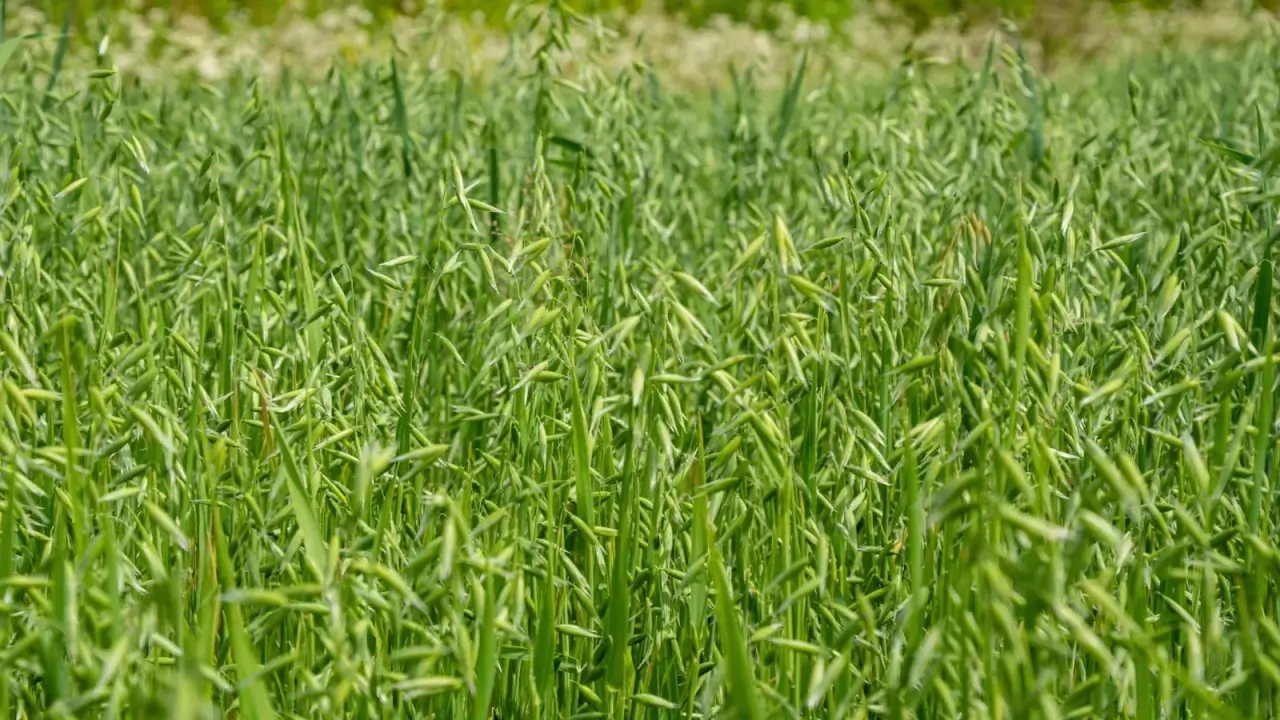
If you have six to ten weeks of weather suitable enough, you can sow a late winter cover crop of oats. Mature oats handle temperatures down to 20°F (-7°C), at which they’ll terminate. One night of 6°F (-14°C) will also kill full-grown oats. Seedlings die at 17°F (-8°C). If you live in a region where these kinds of temperatures don’t exist, or where these conditions have passed, sow them!
As long as your soil temperature is 40°F (4°C), you’re in the clear. Oats grow quickly, covering the soil and preventing germination of perennial weeds that can crowd out the garden. They form beneficial relationships with mycorrhizal fungi that support subsequent crops.
To glean a good crop for yourself or for market, sow at least 4 to 6 ounces per 100 square feet. You can always sow at this rate, and then terminate the crop to reap the benefits without a harvest of oats. A combination of peas and oats offers all the benefits of oat cover crops, along with nitrogen-fixing capabilities that legumes provide.
Buckwheat

You only need a few months of decent weather to produce a lovely buckwheat cover crop. This quick-maturing phosphorus scavenger is ideal for sowing in areas with poor soil. It’s attractive to pollinators and beneficial insects, and conditions the soil as it grows. It isn’t often used as a nurse crop, but it assists with early sowings of legumes that require cool soil to sprout.
Sow it densely in your raised beds and in your fields. Once it flowers, terminate it, and use it as an organic mulch to further condition soils. If you have a failed winter crop, replace it with buckwheat, and it will fill in the gap swiftly.
Scientists Call on Cereal Giants to Use Sustainable Grains
We’re here for the extra vitamins and minerals, but also regenerative practices.
The post 5 Cover Crops You Can Plant in February appeared first on Modern Farmer.